Solo Travel UK on a Budget: How to See the Whole Country Without Spending a Fortune
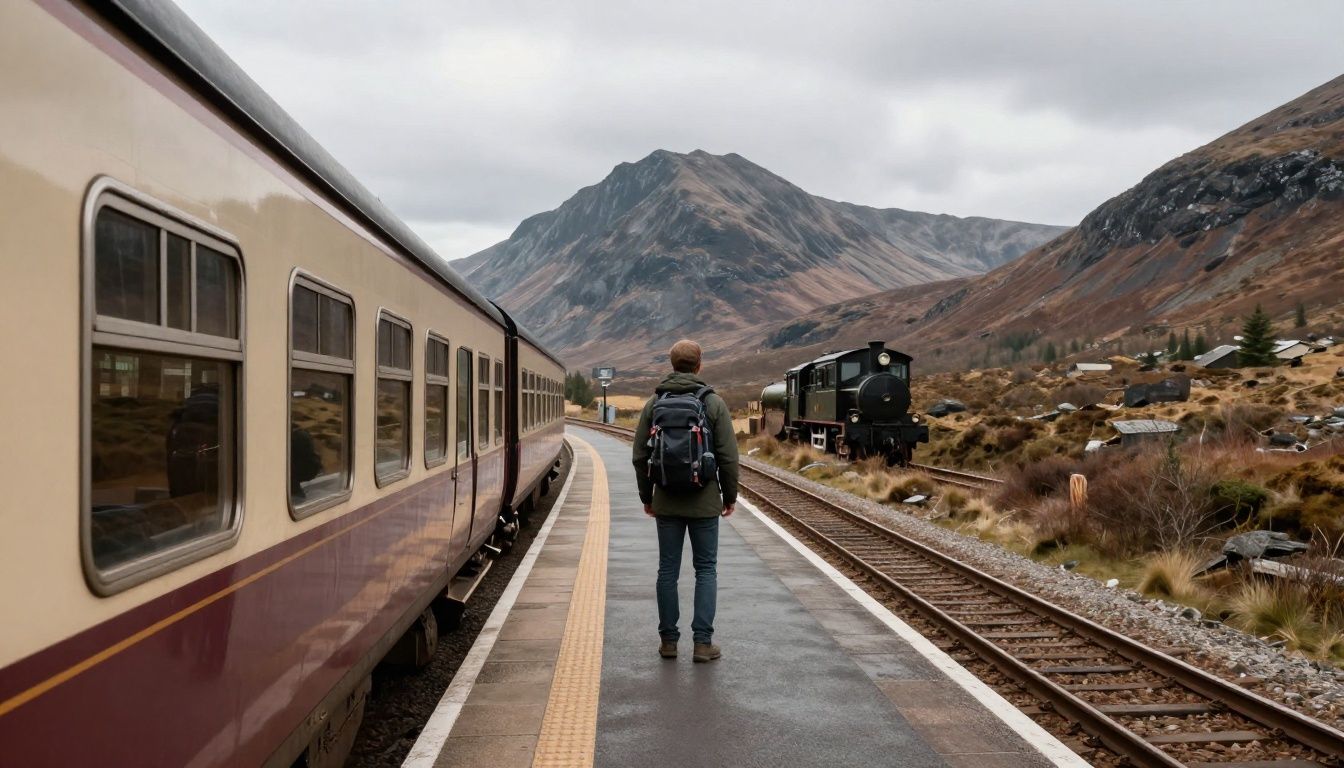
There is something quietly revolutionary about stepping onto a train platform alone, rucksack on your back, with nothing but a loose itinerary and a well-researched budget. Solo travel in the UK has surged in popularity over recent years, and it is not hard to understand why. Britain is wonderfully varied — from the windswept cliffs of Cornwall to the brooding highlands of Scotland — and travelling solo means you move entirely at your own pace, answering to no one. The only real challenge? Making it affordable. But here is the good news: with a bit of planning and the right mindset, solo travel across the UK is far cheaper than most people assume. This guide will show you exactly how.
Whether you are a first-time solo adventurer or a seasoned independent traveller looking to stretch your pounds further, this post is packed with practical strategies to help you spend less and experience more.
Why the UK Is Perfect for Solo Budget Travel
Many travellers overlook their own backyard in favour of European city breaks or long-haul adventures. Yet the United Kingdom offers a remarkably rich travel experience that rivals almost any destination in the world. The transport infrastructure is extensive, English is the language everywhere, and the sheer variety of landscapes, cultures, and experiences packed into a relatively compact island is extraordinary.
For solo travellers specifically, the UK is exceptionally welcoming. Hostels are plentiful and sociable. Pub culture naturally encourages conversation with strangers. Walking trails connect villages and towns in ways that feel designed for individual exploration. And because you are not coordinating with a group, you can snap up last-minute deals that would be impossible to arrange for multiple people.
Planning Your Solo UK Trip Without Overspending
Book Trains Early — Or Go by Coach
Rail travel in the UK can be expensive if booked last minute, but advance fares — particularly Advance Singles — can cut costs dramatically. Booking 8 to 12 weeks ahead through National Rail or Trainline regularly yields tickets at a fraction of the walk-up price. Alternatively, National Express and Megabus offer coach routes between most major cities at genuinely low prices, often under £10 if you plan well in advance. For solo travellers, the flexibility of a coach seat is often perfectly adequate.
Choose Hostels, Guesthouses, and Camping Over Hotels
Solo hotel stays carry an inherent disadvantage: you pay the full room rate regardless of occupancy. Hostels, on the other hand, charge per bed, making them naturally suited to solo travellers. The modern UK hostel scene has evolved considerably — many now offer private rooms alongside dorms, plus communal kitchens, social events, and guided local tours. YHA (Youth Hostels Association) operates an excellent network of properties in cities and rural areas alike, with nightly rates often between £18 and £35.
For warmer months, camping is another superb option. Wild camping is legal in Scotland under the Land Reform Act, and England and Wales have numerous low-cost campsites, particularly in National Parks. Pitching a tent near the Lake District or the Yorkshire Dales costs a fraction of any indoor accommodation.
Use a Railcard to Slash Train Costs
If you are under 30, a 16-25 Railcard (also available to 26-30 year olds) saves 1/3 on most rail fares across the UK. For those aged 60 or over, the Senior Railcard offers identical savings. The Two Together Railcard is worth considering if you plan to meet up with a travel companion at any point. Given that the card pays for itself after just a couple of journeys, this is one of the highest-value travel investments available.
Best Budget-Friendly Destinations for Solo UK Travellers
Not all UK destinations are equal when it comes to cost of living and tourism pricing. These spots offer fantastic experiences without punishing your wallet:
• Whitby, North Yorkshire — Gothic atmosphere, stunning abbey ruins, fresh fish and chips, and affordable B&Bs within walking distance of the old town.
• Inverness, Scotland — Gateway to the Highlands and Loch Ness, with a compact, walkable city centre and reasonable accommodation options year-round.
• Cardiff, Wales — A vibrant capital with world-class museums, a magnificent castle, and a food scene that punches well above its weight — all at prices lower than London.
• Sheffield, South Yorkshire — Often overlooked yet brimming with independent cafes, live music venues, and direct access to the Peak District National Park.
• St Andrews, Fife — Beyond its famous golf courses lies a beautiful coastal university town with scenic beaches, ancient ruins, and a surprisingly laid-back atmosphere.
Eating Well Without Spending a Packet
Food is often where solo travel budgets collapse, particularly in tourist-heavy areas. The key is to eat where locals eat. Markets, independent cafes, supermarket meal deals, and pub lunch specials all represent tremendous value. Wetherspoons, despite its reputation, serves reliably affordable food and drink across the country and operates in almost every major town and city. For self-catering, hostel kitchens allow you to prepare simple meals using local produce, which is both cost-effective and surprisingly enjoyable.
Borough Market in London, the Grainger Market in Newcastle, and Cardiff Central Market all offer fresh produce and prepared foods at prices that undercut restaurant dining considerably. Seek out these kinds of local food hubs wherever you travel — they are almost always present and almost always brilliant.
Free Things to Do Across the UK
One of the most underappreciated facts about travelling in Britain is that an enormous amount of its best experiences cost absolutely nothing. The UK’s national museum collections — including the British Museum, the Victoria and Albert Museum, the National Gallery, and Tate Modern in London — are all free to enter. Scotland’s National Museum in Edinburgh, the National Museum of Wales in Cardiff, and Manchester’s Science and Industry Museum similarly charge no admission.
Beyond museums, the UK’s walking trail network is extraordinary. The Pennine Way, the Coast to Coast Walk, the South West Coast Path, the West Highland Way — these are world-class long-distance routes available entirely for free. Even shorter day walks through National Parks, along coastal paths, or through ancient woodland require no entry fee whatsoever.
Safety Tips for Solo Travellers in the UK
The UK is widely regarded as one of the safer destinations for solo travel, but a few common-sense measures are always worthwhile. Always let someone know your rough itinerary before heading into remote areas such as moorland or mountain terrain. Mobile signal can be patchy in rural parts of Scotland, Wales, and the Pennines, so download offline maps using apps like OS Maps or Maps.me. Carry a portable charger so your phone remains functional throughout the day.
In cities, the usual urban awareness applies: keep valuables secure, be mindful in crowded transport hubs, and trust your instincts in unfamiliar neighbourhoods. That said, the vast majority of solo travellers report overwhelmingly positive experiences interacting with locals — British people, despite their reputation for reserve, are genuinely helpful when approached with friendliness.
How Cheap Holidays UK Can Help You Plan Your Solo Adventure
At Cheap Holidays UK, we understand that the best journeys are the ones you shape yourself — and that doing so should never require an extravagant budget. Our platform is designed to surface the most competitive deals on accommodation, transport packages, and holiday bundles across the whole of the UK and beyond. Whether you are after a spontaneous weekend escape to Edinburgh or a carefully planned fortnight through the English countryside, we bring together options that genuinely stretch your money further.
Solo travellers benefit particularly from our last-minute holiday deals and flexible booking options — because when you are travelling alone, you can move fast. Explore our listings today and see just how far your budget can take you.
Final Thoughts: Go Solo, Go Smart
Solo travel in the UK is not just achievable on a tight budget — it is genuinely one of the most rewarding ways to explore this remarkable country. Without the compromises that come with group travel, you discover places at your own speed, strike up conversations you would otherwise miss, and accumulate experiences that feel truly your own. The landscapes are waiting, the trails are open, and the deals are out there. The only question is: where will you go first?
Drop a comment below and tell us — which UK destination is top of your solo travel list? We would love to hear from you.
FREQUENTLY ASKED QUESTIONS (FAQs)
Q1. Is solo travel in the UK safe?
Yes, the UK is widely considered one of Europe’s safer destinations for solo travellers. Urban common sense, offline maps in remote areas, and informing someone of your itinerary are the main precautions worth taking.
Q2. What is the cheapest way to travel between UK cities solo?
Advance train tickets and budget coach services such as National Express or Megabus offer the best value for intercity travel. Booking 8 to 12 weeks ahead typically yields the lowest train fares.
Q3. How much does a solo UK trip cost per day on a tight budget?
With careful planning — staying in hostel dorms, using supermarket meals or markets, and visiting free attractions — many solo travellers manage comfortably on £40 to £60 per day outside London, or £60 to £80 in the capital.
Q4. Are UK hostels suitable for older solo travellers?
Absolutely. Many UK hostels offer private en-suite rooms alongside dormitories, making them suitable for travellers of all ages. YHA properties in particular tend to attract a wide age range and maintain high cleanliness and safety standards.
Q5. Which season is best for solo budget travel in the UK?
Late spring (May to June) and early autumn (September to October) offer the best balance of favourable weather, manageable crowds, and competitive accommodation pricing. Summer is busier and more expensive, while winter can be atmospheric but cold and wet in many regions.
