Budget European City Breaks from the UK in 2026: See More, Spend Less
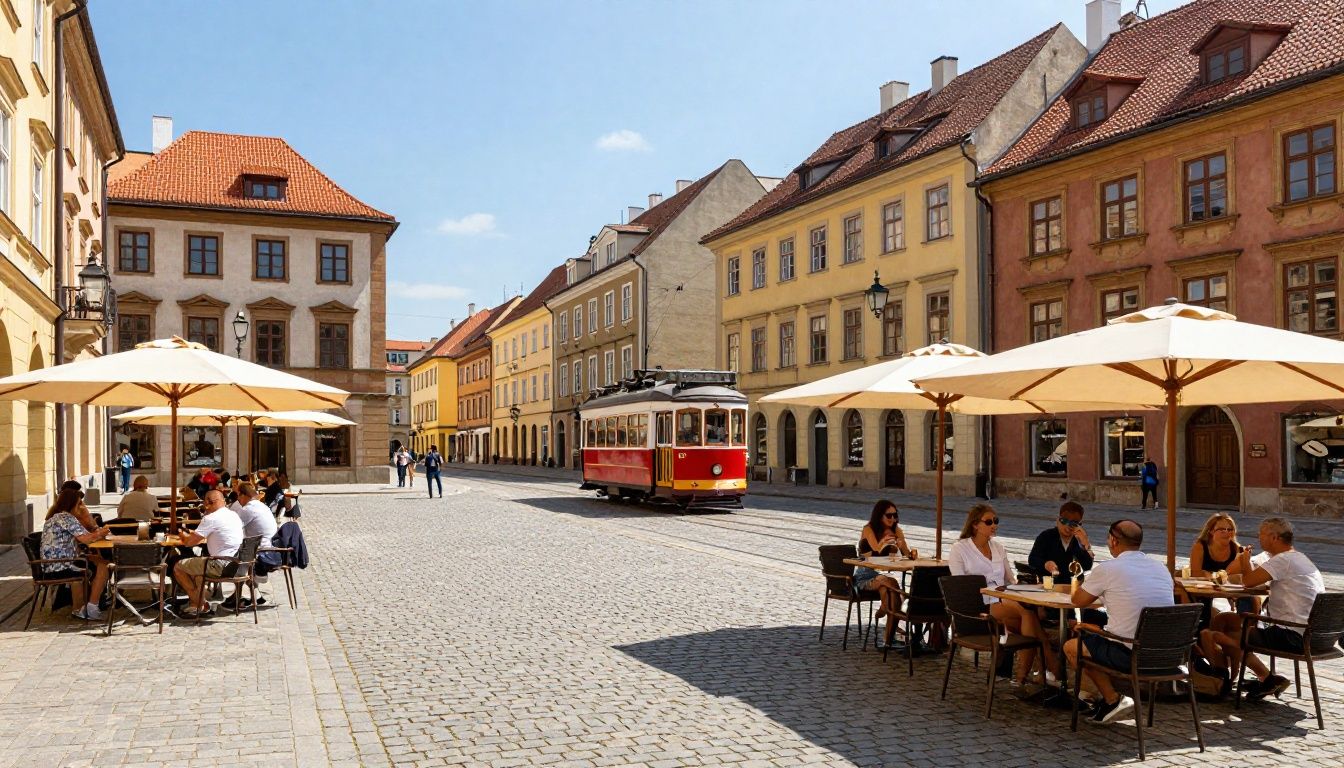
Picture yourself sipping an espresso on a sun-warmed cobblestone square, watching trams rattle past centuries-old architecture — and doing it all without remortgaging your house. Sounds too good to be true? It absolutely is not. Europe is practically on the UK’s doorstep, and in 2026, booking a brilliant short city break across the Channel, the North Sea, or the Mediterranean is more accessible and more affordable than ever before.
Whether you have a long weekend to spare, a modest budget to stretch, or a serious case of wanderlust that needs fixing fast, this guide is your complete companion to planning jaw-dropping European city breaks from the UK — without the jaw-dropping price tags. Let’s get into it.
Why European City Breaks Are the Smartest Short Holiday You Can Take
There is a very good reason that city breaks have exploded in popularity among British travellers over the past decade. They offer everything a longer holiday does — culture, cuisine, architecture, nightlife, relaxation — compressed into two to four days. You get the novelty of being somewhere entirely new without spending two weeks of annual leave or blowing the kids’ savings account.
The maths is straightforward. A flight from London, Manchester, Edinburgh, or Bristol to dozens of European capitals takes anywhere from one to three hours. Budget airlines have slashed the cost of short-haul travel to extraordinary lows. And many European cities — particularly in Central and Eastern Europe — offer accommodation, food, and experiences at a fraction of what you’d pay in London or even provincial UK towns.
Add to that the sheer variety on offer — gothic medieval streets, modern art galleries, waterfront promenades, mountain backdrops, thermal baths, street food markets — and you start to understand why millions of Brits choose Europe as their go-to getaway year after year.
The Best Budget European Cities to Visit from the UK in 2026
1. Krakow, Poland — Eastern Europe’s Most Charming Bargain
Krakow consistently tops lists of the most affordable European city breaks for British travellers, and for very good reason. The Old Town is a UNESCO World Heritage Site dripping with medieval architecture, the Wawel Castle is stunning, and the Kazimierz Jewish Quarter offers some of the most atmospheric cafes and galleries on the continent. Crucially, your pound goes extraordinarily far here. A hearty dinner with drinks rarely costs more than £10 per head, and boutique accommodation in the heart of the city can be found for well under £60 per night.
Flights from London, Manchester, and Edinburgh operate year-round, often at prices that will make you blink twice. A three-night break including flights and a centrally located hotel for two people can realistically come in under £300 total.
2. Porto, Portugal — Wine, Views, and Tiles for Less Than You Think
Portugal’s second city has gone from hidden gem to mainstream favourite, but it has remarkably retained its affordability compared to Lisbon. Porto’s riverfront Ribeira district, its iconic azulejo-tiled facades, its famous port wine cellars across the Douro in Vila Nova de Gaia — all of it is accessible, walkable, and wonderfully cheap by Western European standards.
A glass of port at a riverside bar might set you back just over a pound. A pastel de nata from a local bakery costs pence. Even the beautiful tram rides and funicular journeys through the steep, photogenic streets are incredibly low cost. Porto is one of those rare cities where every single element — from food to transport to culture — seems designed to make your travel budget go further.
3. Budapest, Hungary — Thermal Baths, Ruin Bars, and Royal Grandeur
Few cities on earth match Budapest for sheer theatrical grandeur per pound spent. The Hungarian capital straddles the Danube in a genuinely breathtaking way — the Parliament building lit up at night, the Chain Bridge, the hilltop Buda Castle, the Great Market Hall bursting with paprika and embroidered linen. And all of it costs surprisingly little to enjoy.
The famous thermal baths, like Szechenyi and Rudas, charge a modest entrance fee for hours of soaking in thermal waters inside impossibly ornate architecture. The ruin bar district in the Jewish Quarter offers some of the most creative nightlife in Europe at a fraction of the cost of comparable venues in any major Western city. Budget accommodation is plentiful, and the local cuisine — goulash, langos, chimney cake — is delicious and dirt cheap.
4. Seville, Spain — Flamenco, Tapas, and Andalusian Sunshine
Southern Spain is reliably sunny, reliably affordable, and reliably magnificent. Seville, the capital of Andalusia, combines the grandeur of the Real Alcazar Palace and the enormous Gothic cathedral with a tapas culture that remains genuinely budget-friendly. In Seville, ordering a drink at a traditional bar often comes with a free tapa — a custom that can dramatically cut your food bill across a long weekend.
The city is best visited in spring or autumn when temperatures are gloriously warm without the crushing summer heat. Flights from multiple UK airports are frequent and competitively priced. A long weekend in Seville, done properly, can be one of the most culturally rich and financially sensible trips you’ll ever take.
5. Riga, Latvia — Europe’s Hidden Baltic Gem
If you want to genuinely feel like an explorer — to wander streets where tour groups are rare, where locals actually outnumber visitors, and where your budget stretches to an almost absurd degree — Riga is your answer. Latvia’s capital has a stunning Art Nouveau old town, a vibrant central market housed in repurposed zeppelin hangars, an outstanding bar and restaurant scene, and a warmly welcoming local culture.
Direct flights operate from London and other UK cities. The cost of living is dramatically lower than Western Europe. Riga rewards curious, independent travellers who want authenticity over Instagram-friendly clichés.
How to Book a Budget European City Break: Step-by-Step
Step 1: Choose Your Dates Strategically
Midweek departures — typically Tuesday, Wednesday, and Thursday — are almost always cheaper than weekend flights. Travelling during shoulder season (March to May, and September to October) rather than peak summer or Christmas means lower flights, lower accommodation rates, thinner crowds, and often more pleasant weather.
Step 2: Use Flight Comparison Tools Wisely
Use flexible date search features on flight comparison platforms to see which nearby dates offer the lowest fares. Being willing to shift your trip by one or two days can save dozens of pounds. Set fare alerts for routes you are interested in so you catch price drops as they happen.
Step 3: Look Beyond Central Hotels
Many European cities have outstanding public transport — trams, metros, buses — that makes staying slightly outside the historic centre entirely practical. A hotel two stops from the main attractions on a reliable metro line can cost half the price of a comparable room in the thick of the tourist zone. Do not overlook apartment rentals either, particularly for groups of three or four where splitting costs makes the maths extraordinarily attractive.
Step 4: Eat Like a Local, Not Like a Tourist
The single greatest travel hack for keeping food costs down is to walk at least one street back from the main tourist square before choosing a restaurant. The menus are often identical; the prices are invariably lower. Visit local markets for breakfast supplies. Seek out set-price lunch menus, which are standard in Spain, Portugal, and France, and offer remarkable value — typically three courses with a drink for a fraction of evening dining costs.
Money-Saving Tips Specific to European City Breaks
• Book accommodation with free cancellation so you can rebook if prices drop closer to travel date.
• Take advantage of free walking tours, which exist in almost every major European city and operate on a tips basis — pay what you feel is fair.
• Research city tourism cards — many destinations offer passes that bundle unlimited transport with free or discounted museum entry, often saving significant money over 48 or 72 hours.
• Use a travel debit card that does not charge foreign transaction fees to avoid unnecessary costs on every purchase.
• Pack a bag small enough to qualify as cabin baggage to avoid checked luggage charges on budget airlines.
• Visit free attractions — most European cities have world-class museums that charge nothing for general entry on certain days or all year round.
When Is the Best Time to Book a European City Break from the UK?
The answer depends on where you want to go and when you want to travel. As a general rule, booking six to twelve weeks in advance secures competitive flight prices without the risk of popular accommodation selling out. For travel during school holidays — Easter, summer, and Christmas — book as early as possible, ideally three to six months ahead, since both flights and hotels fill quickly and prices rise steeply as demand increases.
If you have flexibility in your schedule and enjoy the thrill of spontaneity, last-minute city break deals from UK departure airports can occasionally offer extraordinary value — particularly for midweek travel in lower-demand periods. The risk is that accommodation options narrow, but the savings can be genuinely impressive.
What to Pack for a Short European City Break
The golden rule for a two-to-four-day city break is to travel light. A carry-on sized bag is almost always sufficient and saves both money on baggage fees and time at the airport. Comfortable walking shoes are non-negotiable — you will cover more ground on foot than you expect. Layer clothing smartly so you are prepared for variable weather without packing half your wardrobe.
Bring a portable charger for your phone, a reusable water bottle, a small daypack for sightseeing, and a physical copy of your booking confirmations in case of connectivity issues. Travel insurance is not optional — always buy it, and always read what it covers before you depart.
Final Thoughts: Europe Is Waiting — And It Won’t Cost a Fortune
There has never been a better moment to step off a UK departure lounge and into one of Europe’s extraordinary cities. The combination of accessible short-haul flights, genuinely affordable destinations, and the sheer density of world-class experiences crammed into small, walkable city centres makes a European city break one of the wisest ways to spend a long weekend and a limited travel budget.
Whether Krakow’s medieval squares capture your imagination, Porto’s tiled facades steal your heart, Budapest’s thermal baths soothe your tired muscles, Seville’s tapas bars tempt your appetite, or Riga’s quiet cobblestones appeal to your sense of discovery — the adventure is yours to take.
So, which European city is calling your name in 2026? Drop your thoughts in the comments below, or share this guide with a friend who is desperately overdue a passport stamp.
Frequently Asked Questions (FAQs)
FAQ 1: What is the cheapest European city to visit from the UK in 2026?
Krakow, Poland, and Riga, Latvia consistently rank among the cheapest European cities for British travellers in 2026. Both offer very low daily costs for accommodation, food, drinks, and attractions. Budapest and Porto are close behind and provide exceptional value relative to the quality of experiences on offer.
FAQ 2: How much should I budget for a 3-night European city break from the UK?
A realistic budget for a three-night European city break for one person — including return flights, accommodation, food, transport, and activities — ranges from approximately £250 in very budget-friendly destinations like Krakow to around £500 in mid-range Western European cities. Costs vary significantly depending on travel dates, booking timing, and destination.
FAQ 3: Do I need travel insurance for a European city break?
Yes, absolutely. Travel insurance is strongly recommended for any trip, regardless of duration or destination. A good policy covers medical emergencies, trip cancellation, lost luggage, and travel delays. Annual multi-trip policies are particularly good value if you plan more than two trips per year from the UK.
FAQ 4: Which UK airports offer the best range of European city break destinations?
London Heathrow, Gatwick, Stansted, and Luton collectively offer routes to virtually every European capital. Manchester, Edinburgh, Birmingham, and Bristol also have excellent route networks with multiple budget and full-service carriers. Depending on your location in the UK, it is worth checking regional airports as well, since they sometimes offer surprisingly competitive fares on key European routes.
FAQ 5: How far in advance should I book a European city break for the best price?
For most European city breaks, booking six to ten weeks in advance tends to offer the strongest combination of price and availability. For peak school holiday periods — Easter, summer, and Christmas — book three to six months ahead to secure the best fares and preferred accommodation. If you are flexible with dates, setting fare alerts and monitoring prices from eight weeks out can occasionally reveal exceptional last-minute opportunities.
