Pet-Friendly Holidays in the UK: How to Explore Britain with Your Four-Legged Companion in 2026
Leaving your pet behind when you go on holiday is one of the most genuinely difficult parts of being an animal owner. The guilt is real, the kennel fees are steep, and, frankly, holidays feel different without your companion sniffing around a new place with you. The good news — and it is very good news — is that the United Kingdom has quietly become one of the most pet-friendly travel destinations in the world.
From sweeping coastal paths in Cornwall to the rolling moorlands of Yorkshire, from the dramatic glens of Scotland to the gentle river valleys of Wales, Britain is packed with destinations that welcome pets with genuine enthusiasm rather than reluctant tolerance. This guide covers everything you need to know about planning a brilliant pet-friendly holiday in the UK in 2026 — from choosing the right destination to finding the right accommodation, and from packing the right kit to keeping your pet happy on the road.
Why the UK Is Perfect for Travelling with Pets
Britain’s pet-friendliness is woven into its culture in a way that genuinely surprises visitors from overseas. Dogs are welcomed in an enormous number of pubs — particularly in rural areas where a muddy retriever and a pint of bitter have coexisted harmoniously for centuries. Many independent hotels, cottages, and guesthouses actively market themselves as pet-friendly rather than merely pet-tolerant, providing dog beds, water bowls, treat jars at reception, and information packs on local walks.
The UK’s landscape is also exceptionally well-suited to pet travel. The country has an extraordinary network of public footpaths, bridleways, and coastal trails — over 140,000 miles of recorded rights of way in England and Wales alone. These paths take you through countryside that ranges from dramatic to utterly serene, and the vast majority are accessible with a dog on a lead.
Factor in the absence of any language barrier, the familiarity of food and veterinary services, and the sheer diversity of terrain and climate across Britain’s regions, and you have an almost perfect recipe for a holiday that works just as well for your pet as it does for you.
The Best Pet-Friendly Destinations in the UK for 2026
1. Cornwall — Coastal Magic with Dog-Friendly Beaches Aplenty
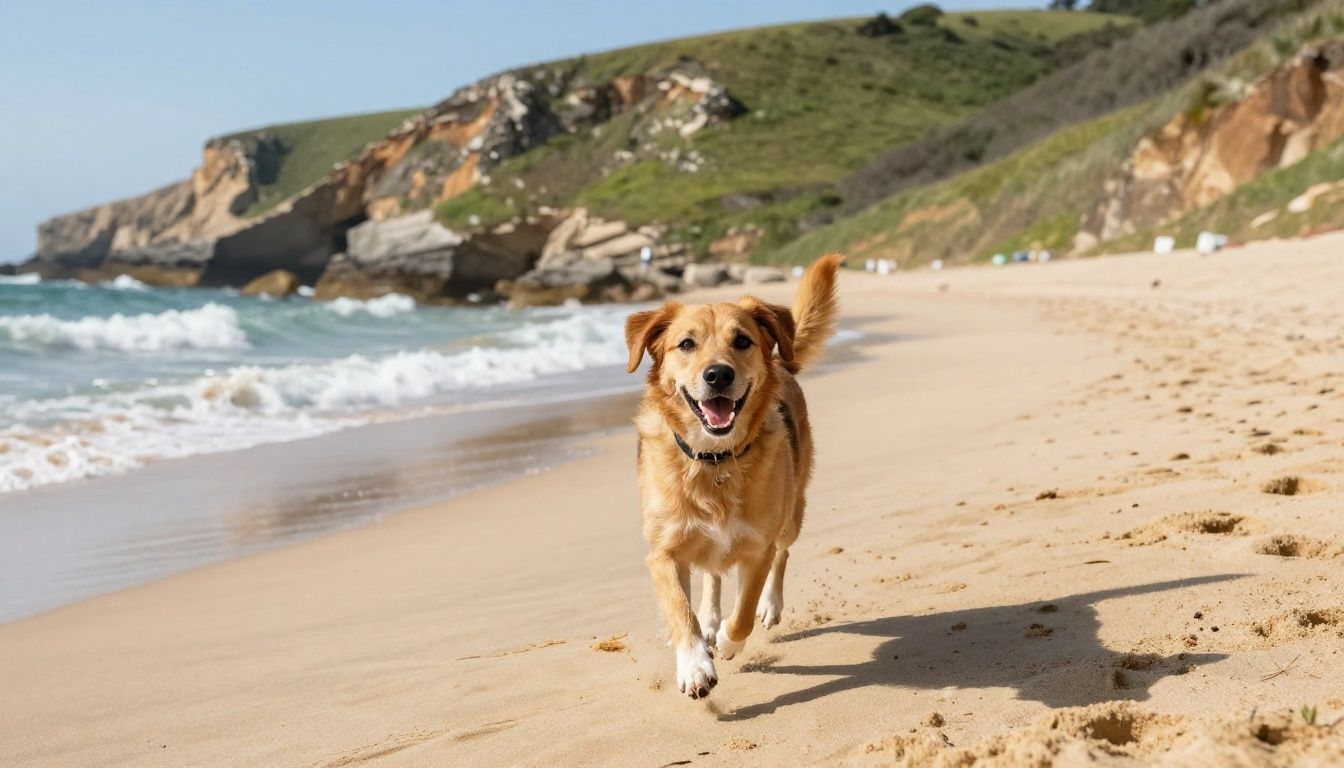
Cornwall is without question one of the most celebrated pet-friendly destinations in Britain. Outside of peak summer season — roughly September through May — many of Cornwall’s most spectacular beaches allow dogs freely, giving your companion the full run of golden sands with Atlantic waves crashing in. The South West Coast Path, which runs the full dramatic length of Cornwall’s shoreline, is one of the finest long-distance walking routes in Europe and entirely navigable with a well-behaved dog.
Padstow, St Ives, Fowey, and Falmouth all have multiple dog-welcoming cafes and restaurants. Self-catering cottages throughout the county routinely accept pets. Cornwall’s year-round mild climate compared to the rest of England makes it particularly appealing for off-season breaks when costs drop significantly and the atmosphere becomes wonderfully relaxed.
2. The Yorkshire Dales — Endless Moorland and Market Towns
The Yorkshire Dales National Park is a paradise for pet owners who love walking in wide-open, dramatic countryside. The limestone scenery of Malhamdale, the waterfalls of Ingleton, the sweeping ridgelines around Whernside and Pen-y-ghent — all of it is accessible via well-maintained footpaths that dogs absolutely love. The Dales’ market towns — Grassington, Hawes, Settle, Skipton — have an abundance of traditional pubs that welcome muddy boots and muddy dogs with equal cheerfulness.
Accommodation in the Dales ranges from luxurious converted farmhouses to comfortable camping barns and everything in between, and pet-friendly options are genuinely plentiful across the price spectrum. This is quintessential English countryside at its most characterful.
3. The Scottish Highlands — Wilderness, Lochs, and True Freedom
Scotland operates under a distinctly different access law from England and Wales. Under the Land Reform (Scotland) Act, responsible access to most land — including with dogs under proper control — is a legal right rather than a privilege. This means that in the Scottish Highlands, the sense of open space and genuine wilderness freedom available to pet owners is extraordinary.
The Great Glen, Torridon, Glencoe, the Cairngorms National Park, and the roads and trails around Loch Ness and Loch Lomond all offer outstanding opportunities for extended dog walks through landscapes that feel genuinely remote and spectacular. Scotland is also home to a growing number of superbly pet-welcoming lodges, glamping sites, and self-catering properties that cater specifically to travelling pet owners.
4. Pembrokeshire, Wales — Rugged Coastline and Welcoming Villages
Wales is consistently underappreciated as a pet-friendly destination, and Pembrokeshire in particular deserves far greater attention. The Pembrokeshire Coast National Park is home to some of the most dramatic and varied coastal scenery in Britain — steep cliffs, hidden coves, seal colonies, sandy estuaries, and charming fishing villages. The Pembrokeshire Coast Path stretches nearly 200 miles and can be walked in sections of any length, with dogs welcome across the vast majority of the route.
Towns like Tenby, St Davids, Newport, and Fishguard have a warm, community character and a genuine appreciation for visitors who arrive with four-legged companions. Property rental availability for pet owners across the county is excellent and, compared to Cornwall, often represents outstanding value.
5. The Lake District — Fells, Tarns, and Classic Lakeland Pubs
No list of UK destinations for pet owners would be complete without the Lake District. England’s largest national park is criss-crossed with fell paths and valley routes of every difficulty level, and dogs are genuinely part of the Lakeland tradition — fell farmers have worked alongside sheepdogs here for centuries, and the culture of the region reflects that deep connection between people, dogs, and landscape.
Ambleside, Keswick, Hawkshead, Coniston, and Grasmere all have strong selections of dog-friendly pubs and cafes. Many of the Lakeland hotels and guesthouses actively welcome pets, and self-catering cottages with enclosed gardens — perfect for dogs — are widely available across the national park.
Finding the Right Pet-Friendly Accommodation
The accommodation sector has responded enthusiastically to the growing demand for genuinely pet-welcoming stays rather than places that merely tolerate pets with a grudging supplement charge and a set of restrictive rules. When searching for pet-friendly accommodation in the UK, it is worth looking beyond the standard hotel chains.
Independent cottages and holiday lets frequently go further than larger operators — providing dedicated dog beds, outdoor washing stations for muddy paws, enclosed gardens for off-lead time, and detailed local walking information. Glamping sites, farm stays, and shepherd’s huts have also embraced the pet travel market with genuine creativity, offering immersive countryside experiences that both you and your animal companion will thoroughly enjoy.
Always clarify exactly what is included in a pet-friendly booking: how many pets are permitted, whether there are weight or breed restrictions, what the extra charge is per night, whether pets are allowed on furniture, and whether any areas of the property are off-limits. Transparency at the booking stage avoids awkward surprises on arrival.
Essential Kit to Pack When Travelling with Your Pet
• Collapsible travel water bowl and a sufficient supply of your pet’s usual food to last the entire trip — dietary changes during holidays can cause digestive upset.
• Up-to-date ID tag with your current contact number attached to your pet’s collar, plus a microchip registered to your current address.
• Familiar bedding or a blanket that smells of home — enormously reassuring for anxious animals in new environments.
• Lead, harness, and a long training lead for areas where your pet can enjoy more freedom safely.
• Pet-safe first aid kit including bandages, antiseptic wipes, tweezers for ticks, and any regular medications your animal needs.
• Your vet’s contact details and the location of the nearest emergency veterinary practice to your destination.
• Towels and a pet-safe rinse spray for muddy post-walk cleanup before returning to accommodation.
Keeping Your Pet Safe and Happy on Holiday
The most important thing you can do for your pet during a holiday is maintain as much routine as possible. Feeding times, walk schedules, and bedtime rituals provide enormous comfort and stability in an unfamiliar environment. Bring familiar toys and enrichment items — for dogs especially, a well-stuffed Kong or a favourite chew can make the difference between a settled evening and a restless one.
Be aware of seasonal hazards specific to your destination. Coastal areas present risks around cliff paths and strong tidal currents. Moorland and upland areas may have adders during warmer months — a bite requires prompt veterinary attention. Livestock are present across much of rural Britain, and dogs must be kept under very close control around sheep, cattle, and horses at all times.
Never leave a pet alone in a car during warm weather. Even on a mild day, temperatures inside a parked vehicle can reach dangerous levels within minutes. Plan stops on longer drives specifically around your pet’s needs — regular breaks for water, toileting, and stretching make long journeys far more manageable.
Final Thoughts: Your Pet Deserves a Holiday Too
The United Kingdom is one of the finest countries on earth for travelling with a pet, and 2026 is a genuinely exciting time to explore it. Whether you head for Cornwall’s windswept Atlantic coastline, the Highlands’ ancient wilderness, the Dales’ limestone valleys, Pembrokeshire’s rugged cliffs, or the Lake District’s iconic fells, the combination of outstanding walking, genuinely pet-welcoming communities, and diverse, beautiful landscape makes Britain uniquely rewarding for owners who want to share their adventures with their animals.
Plan carefully, pack thoughtfully, and embrace the fact that a holiday with your pet is fundamentally different from one without — messier, more spontaneous, occasionally more complicated, and almost always more joyful.
Where are you and your four-legged companion exploring in 2026? We’d love to hear your plans — and your favourite pet-friendly spots — in the comments below!
Frequently Asked Questions (FAQs)
FAQ 1: Which UK destinations are most pet-friendly for a short break in 2026?
Cornwall, the Yorkshire Dales, the Scottish Highlands, Pembrokeshire, and the Lake District are consistently rated among the most pet-friendly destinations in the UK. All five offer excellent walking terrain, a strong culture of pet acceptance in local businesses, and a wide selection of pet-welcoming accommodation across different budget levels.
FAQ 2: Do most UK hotels charge extra for bringing a dog?
The majority of pet-friendly hotels, guesthouses, and holiday cottages in the UK do charge an additional fee for pets, typically ranging from £10 to £25 per night depending on the property type and location. Some independent self-catering properties include pets at no additional charge, particularly those that actively market themselves as pet-welcoming destinations. Always confirm the policy and any charges when booking.
FAQ 3: Are dogs allowed on beaches in the UK?
Dog access on UK beaches varies considerably by location and time of year. Many beaches in Cornwall, Wales, and Scotland allow dogs freely outside the peak summer season, typically from October through to April or May. During summer months, restrictions are common on busier beaches to protect other visitors and nesting wildlife. Always check the specific rules for any beach you plan to visit before arriving, particularly during warmer months.
FAQ 4: What should I do if my pet is unwell while on holiday in the UK?
Before travelling, research the location of the nearest veterinary practice to your accommodation and save the number in your phone. For emergency situations outside normal surgery hours, search for the nearest out-of-hours emergency veterinary service — these operate across the UK. Carrying a basic pet first aid kit and knowing your pet’s medical history, including vaccination and medication records, is strongly advisable.
FAQ 5: Can I take my pet on public transport during a UK holiday?
Most UK rail operators allow dogs on trains at no additional charge, provided they are kept under control and do not take up a seat. Local bus policies vary by operator. Many water ferries and some tourist attractions allow well-behaved dogs. When hiring a car, check whether the rental company has any restrictions on transporting pets and ensure you have appropriate restraints. Always confirm pet policies with individual transport providers before travel.
